

Introduction to AI Automation
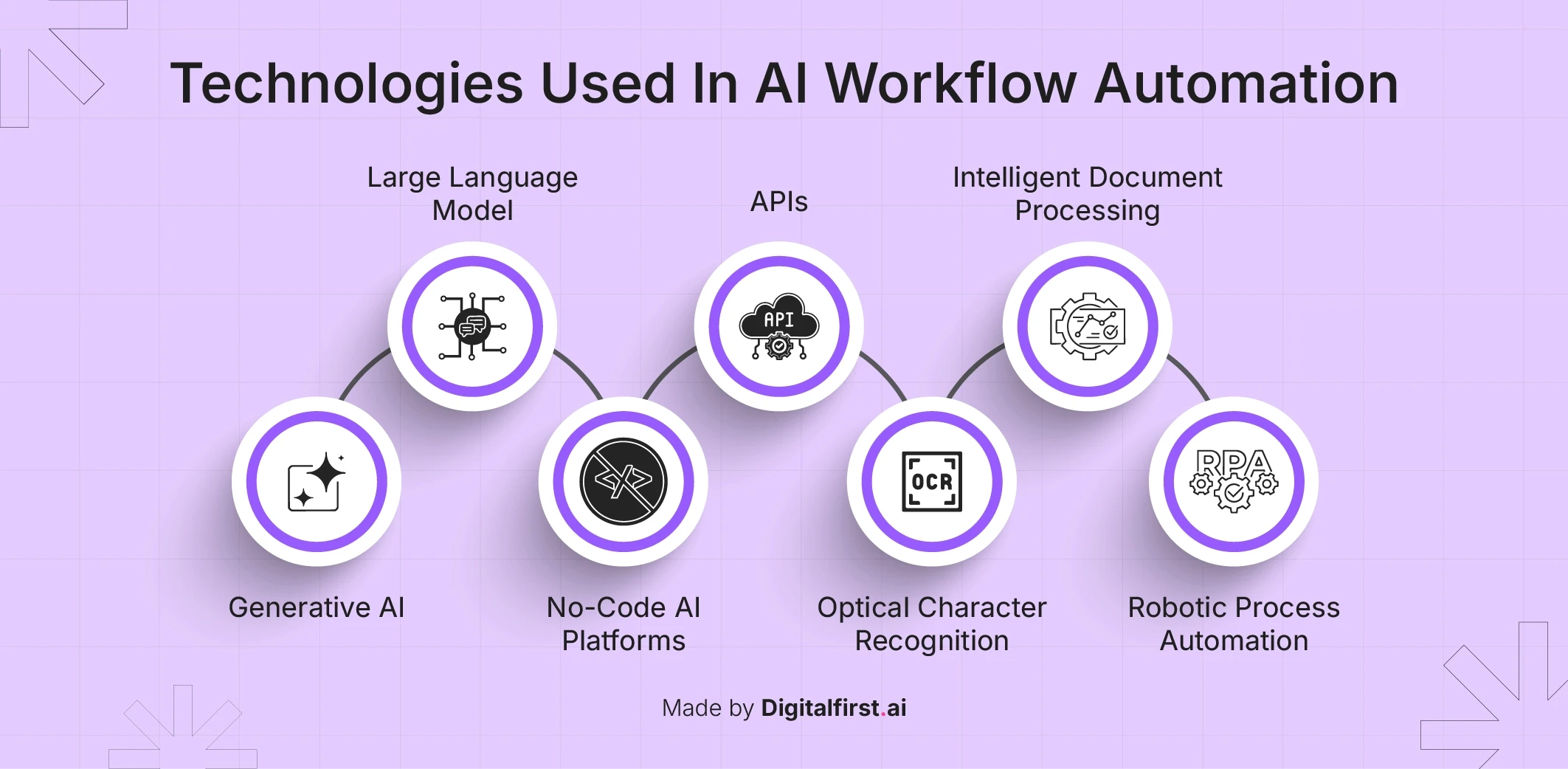
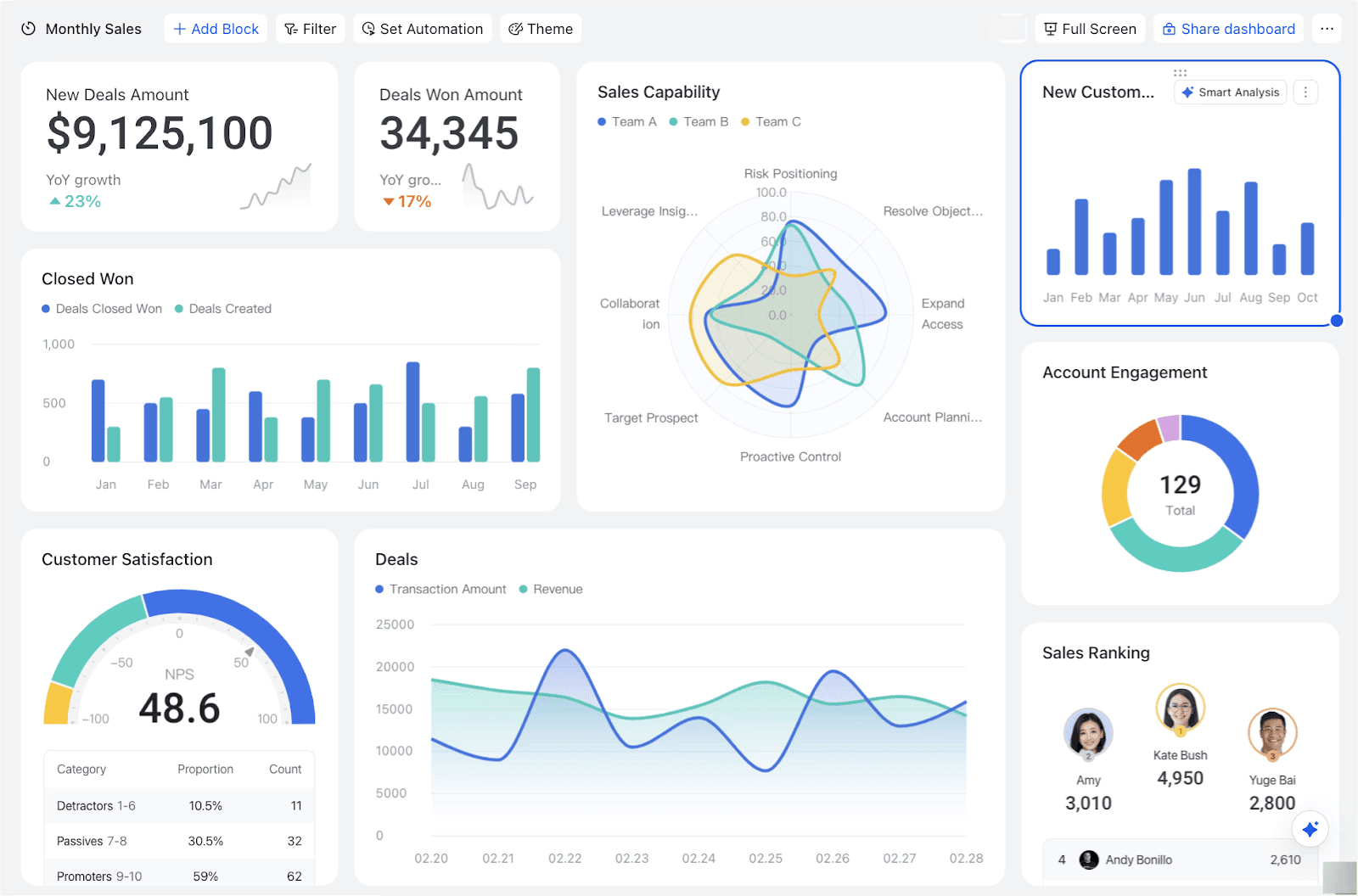
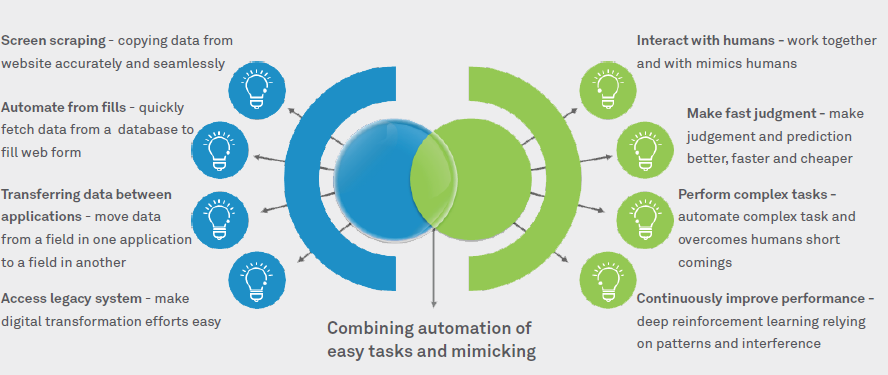
AI automation is redefining how modern businesses operate by combining artificial intelligence with automated workflows. Instead of manual processes, systems now learn, adapt, and execute tasks with minimal human intervention. From startups to global enterprises like Microsoft, AI automation is becoming a core part of digital transformation strategies.
What is AI Automation?
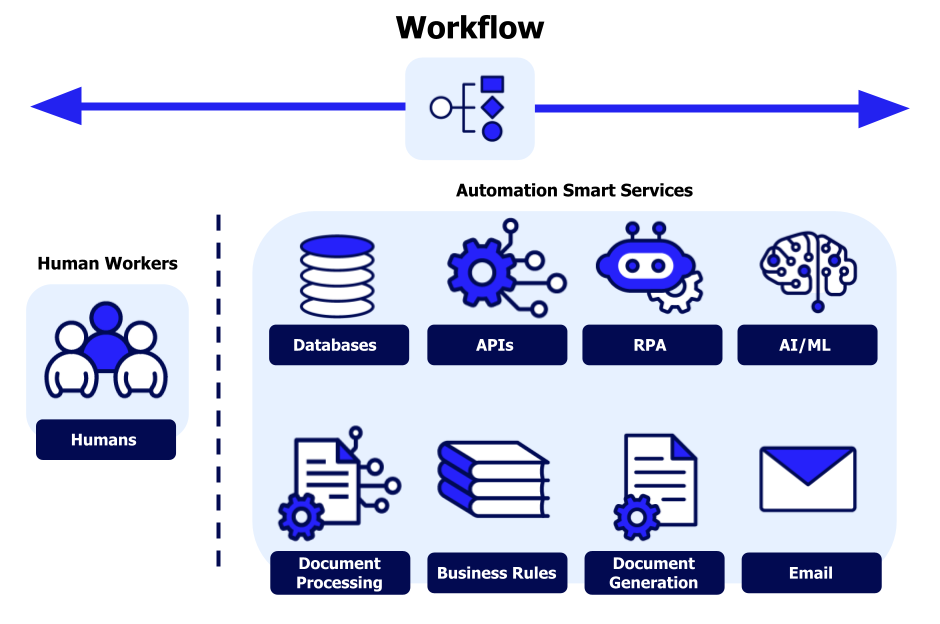

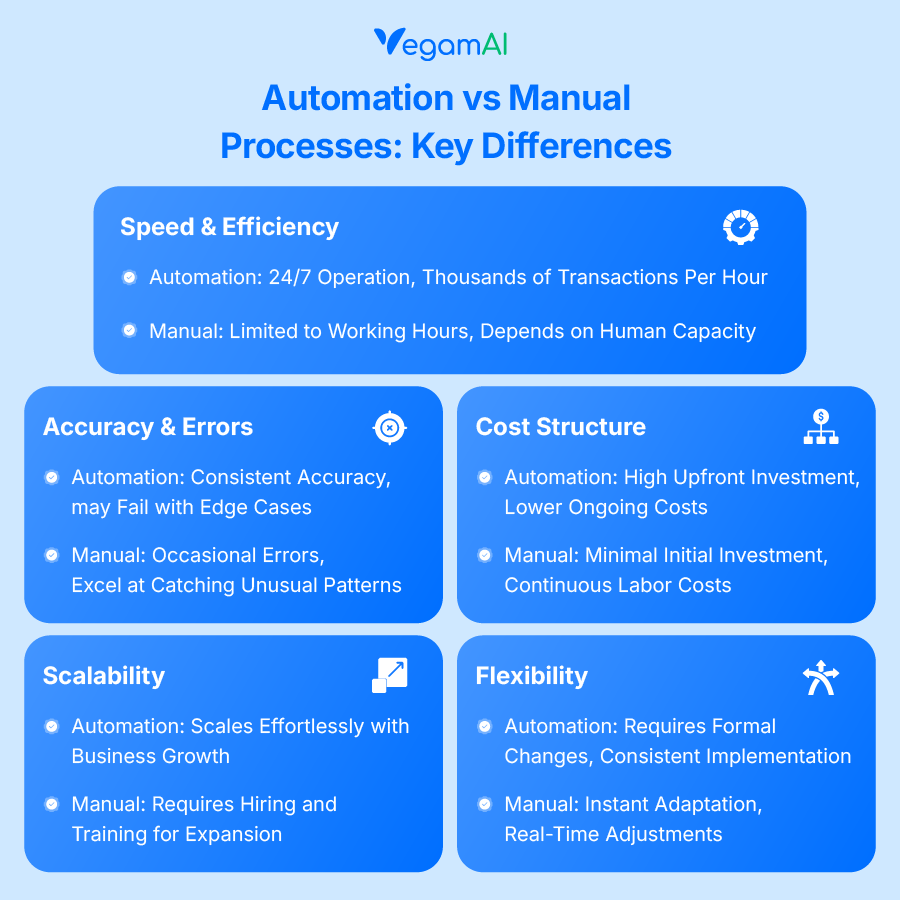
AI automation refers to the use of machine learning, data analysis, and intelligent algorithms to automate tasks that traditionally required human intelligence. This includes decision-making, pattern recognition, and predictive analysis. Platforms like UiPath are leading the way in robotic process automation (RPA) combined with AI capabilities.
👉 Learn more about AI automation: https://www.ibm.com/topics/automation
Key Benefits of AI Automation


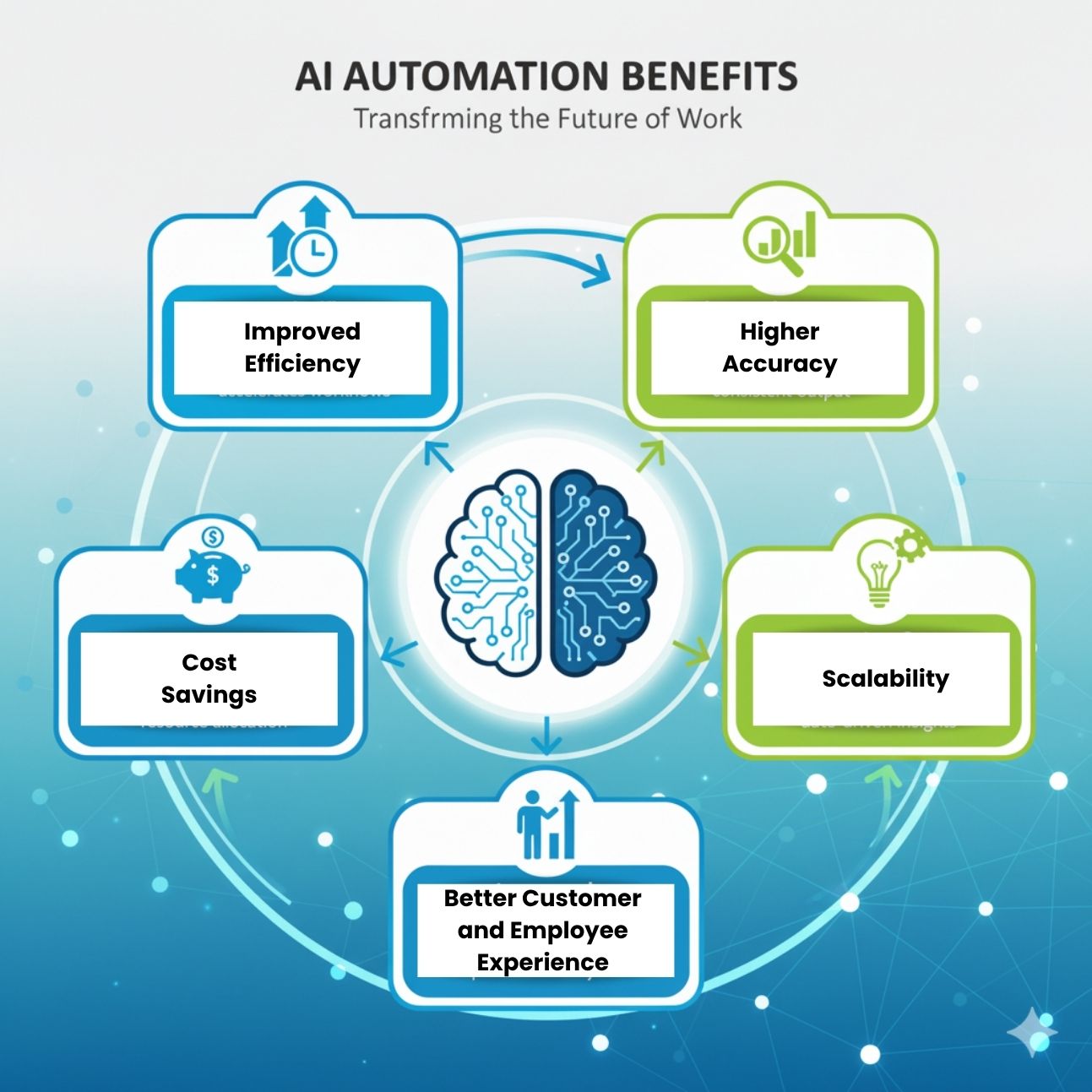
AI automation offers multiple advantages, including increased efficiency, reduced operational costs, and improved accuracy. Businesses can process large volumes of data quickly and make smarter decisions. Companies like Amazon use AI automation in logistics and recommendation systems to enhance user experience.
AI Automation in SaaS Platforms


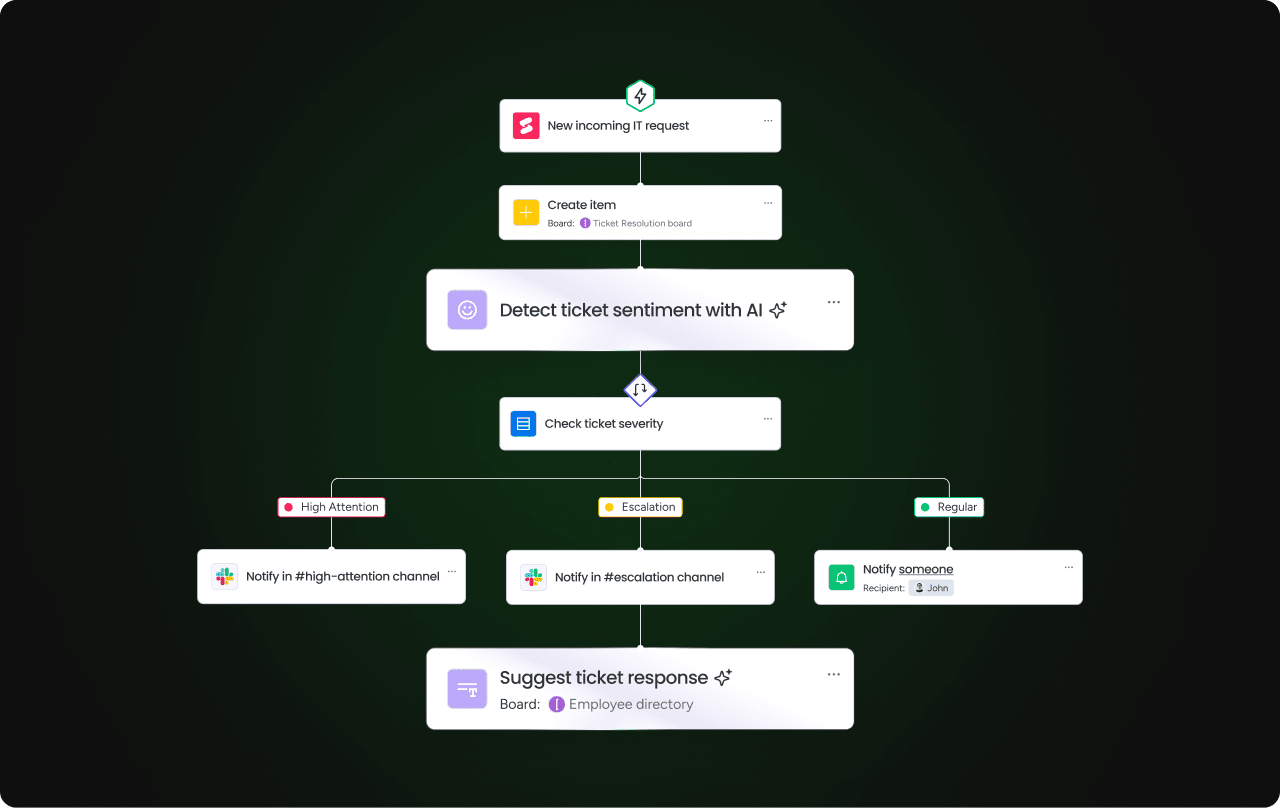
SaaS platforms are rapidly integrating AI automation to deliver smarter tools. Features like automated customer support, predictive analytics, and workflow automation are becoming standard. Tools such as HubSpot use AI to automate marketing, sales, and customer engagement processes.
AI Automation Use Cases
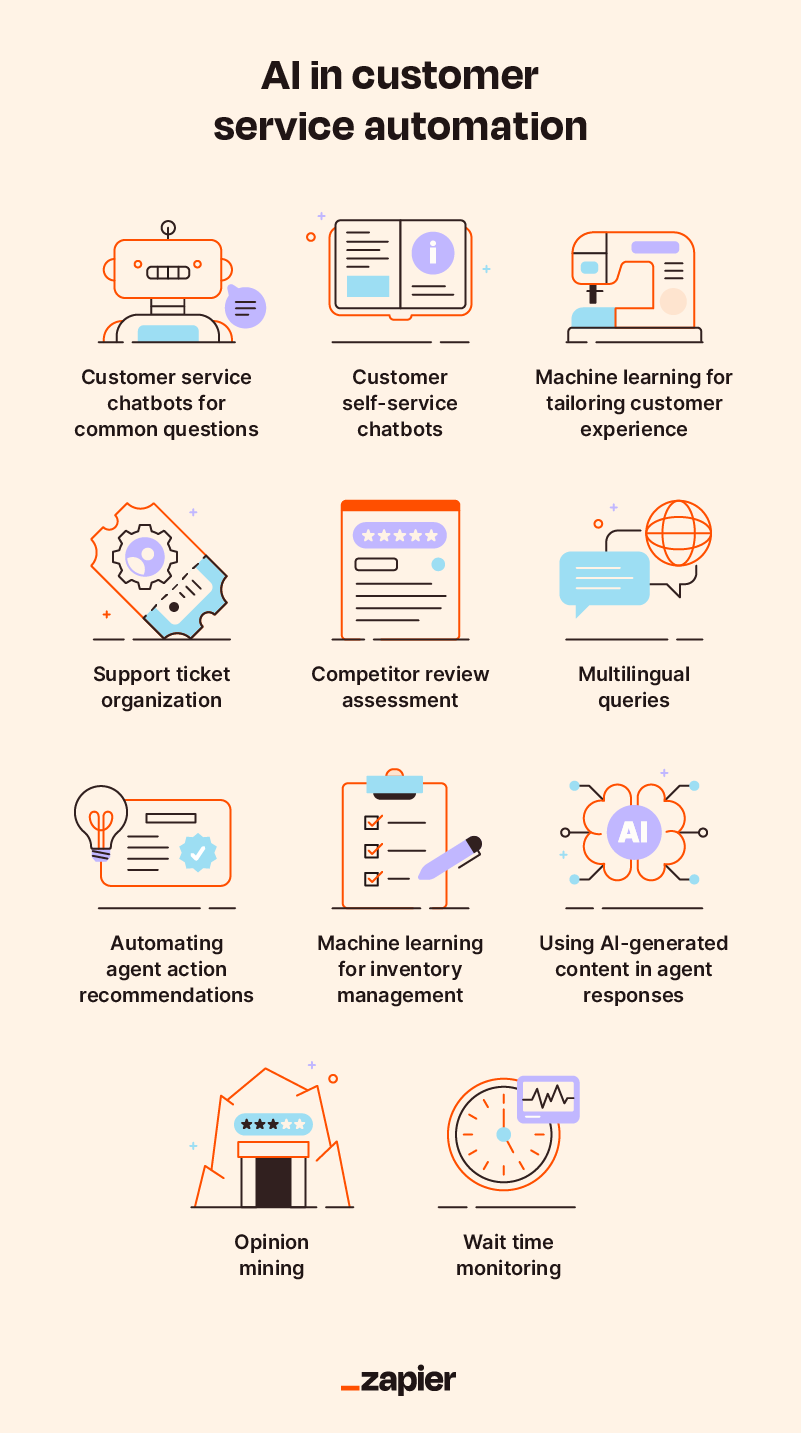

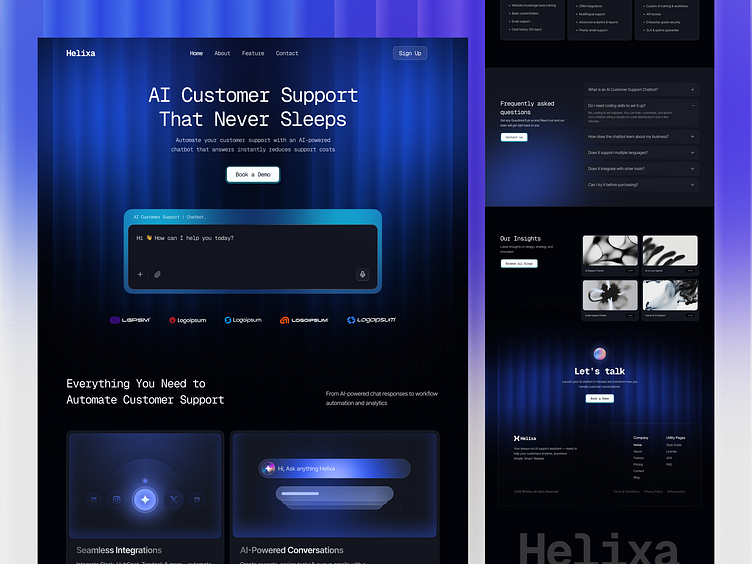
AI automation is widely used across industries. In customer support, chatbots handle queries instantly. In marketing, AI automates email campaigns and lead scoring. In healthcare and finance, AI systems analyze data for better decision-making. Companies like Salesforce leverage AI to improve customer relationship management.
AI Automation and Data-Driven Decisions
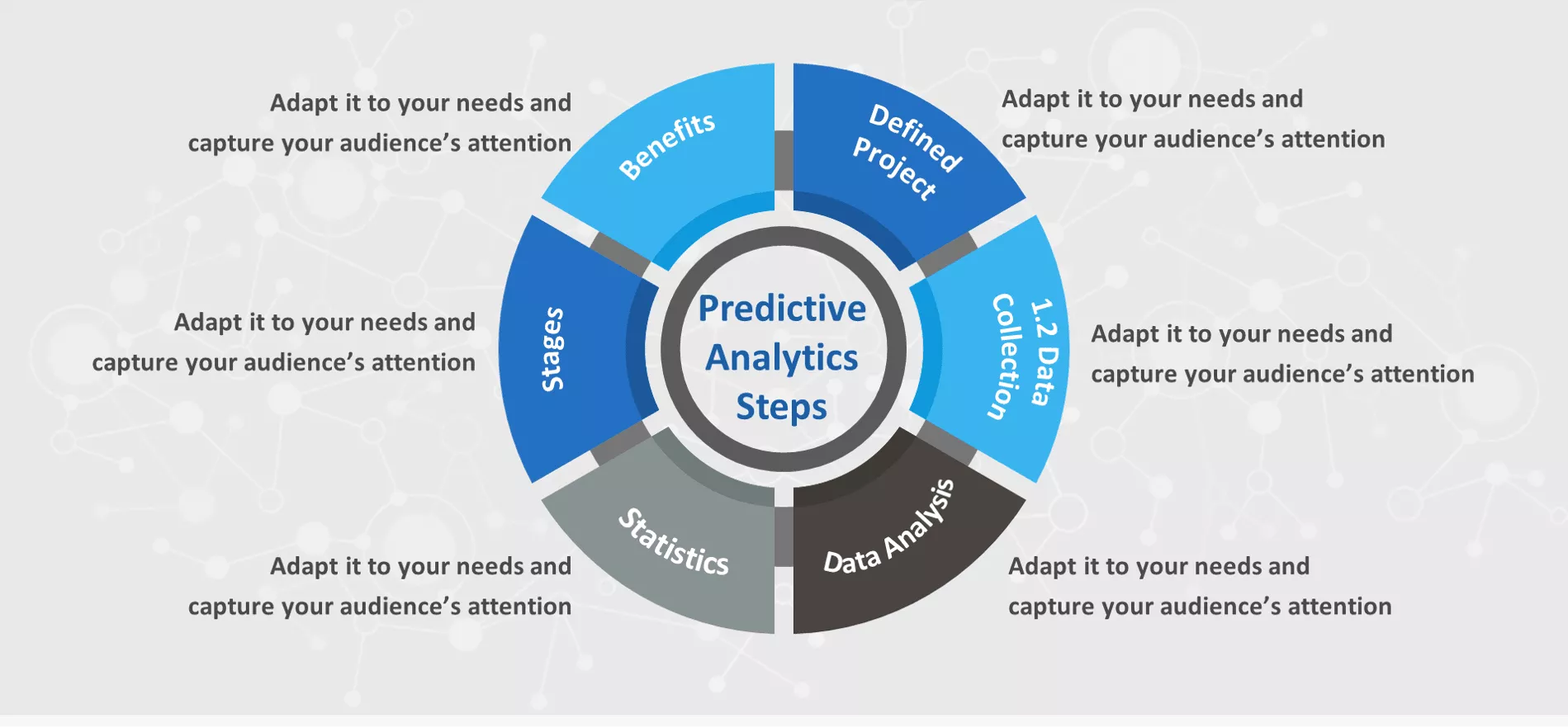
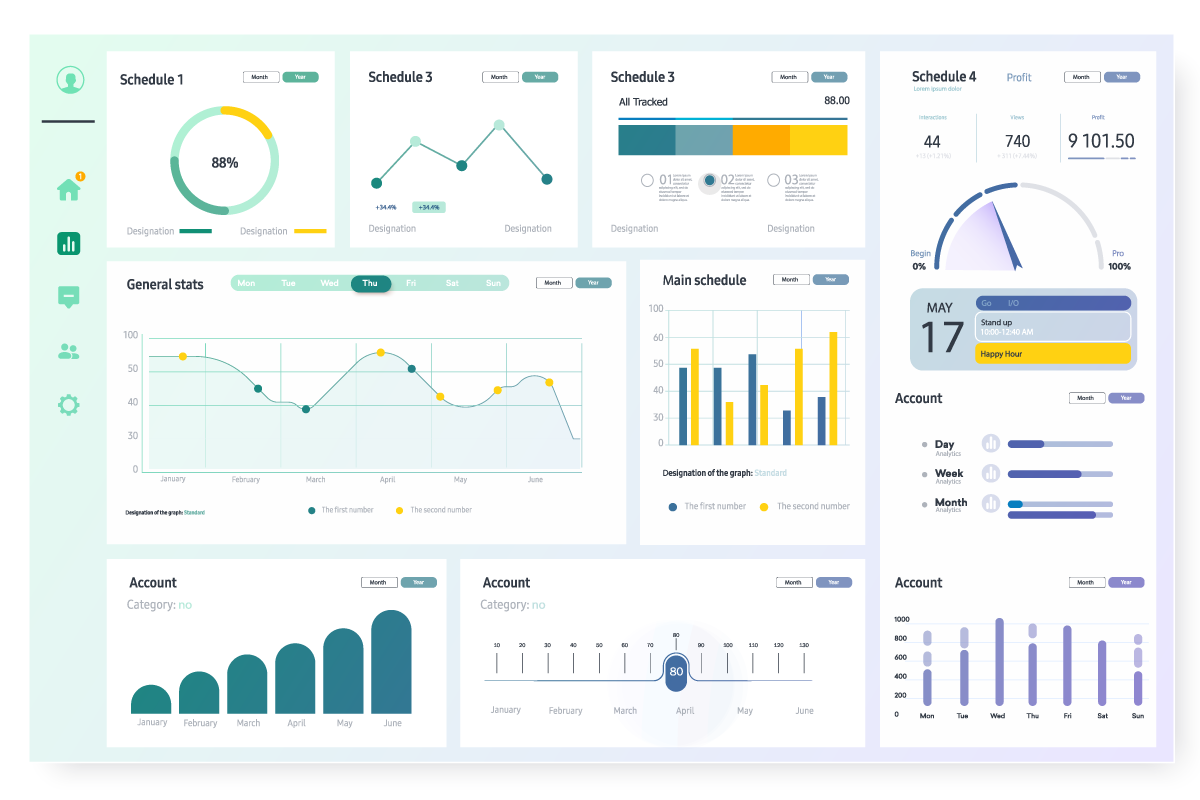
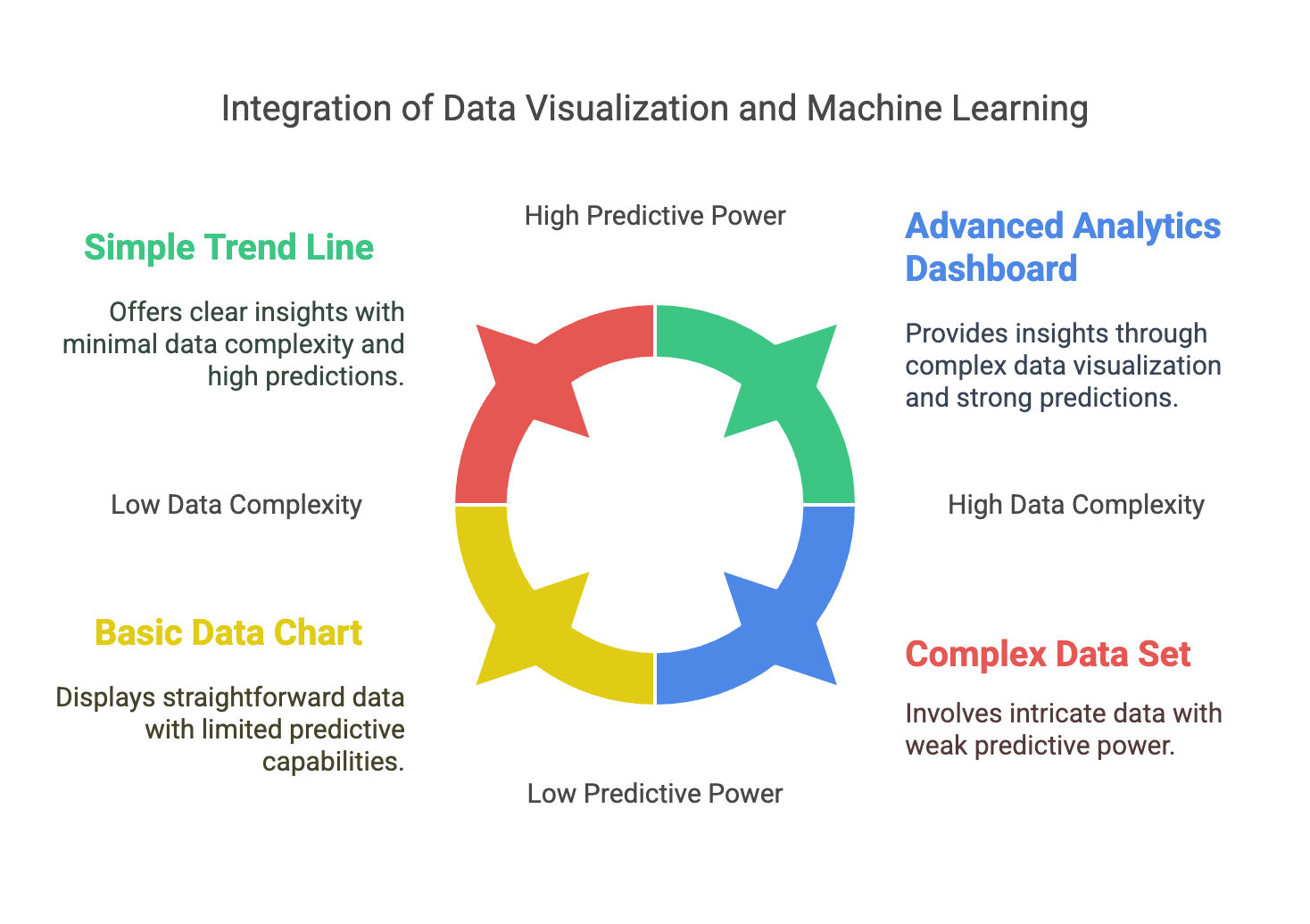
One of the most powerful aspects of AI automation is its ability to make data-driven decisions. By analyzing large datasets, AI can identify trends and predict outcomes. This enables businesses to optimize strategies and improve performance. Tools like Google Analytics are evolving with AI-powered insights.
Challenges of AI Automation


Despite its benefits, AI automation also presents challenges. These include data privacy concerns, system biases, and implementation costs. Organizations must ensure ethical AI practices and strong security measures. Companies like IBM emphasize responsible AI development.
Future of AI Automation

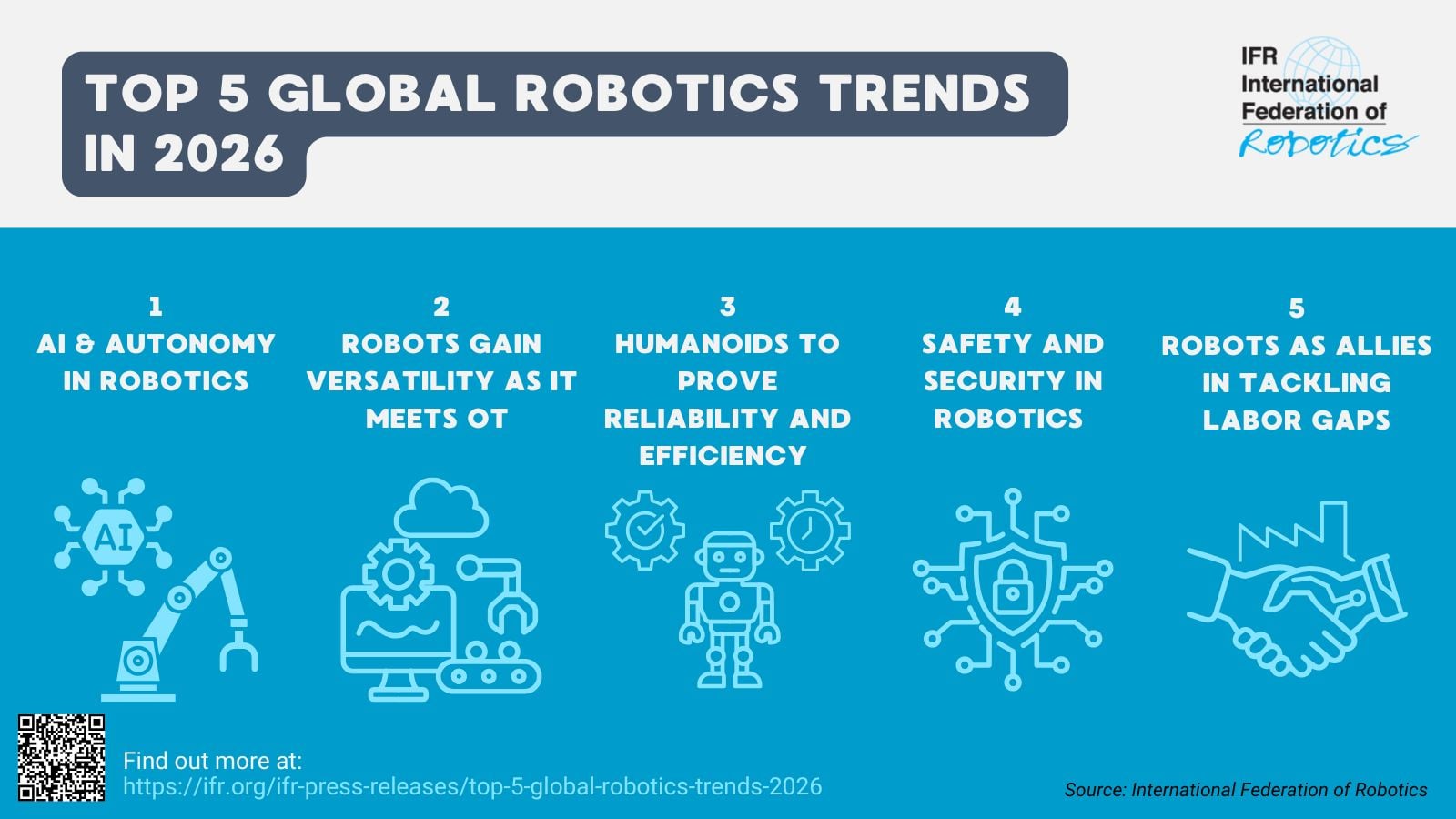

The future of AI automation is incredibly promising. With advancements in machine learning, natural language processing, and robotics, AI systems will become even more intelligent and autonomous. Organizations like OpenAI are pushing the boundaries of what AI can achieve.
👉 Explore latest AI trends: https://www.gartner.com/en/information-technology
Conclusion


AI automation is not just a trend—it is the backbone of modern digital systems. By integrating AI into workflows, businesses can achieve higher efficiency, smarter decision-making, and scalable growth. As technology continues to evolve, AI automation will remain a key driver of innovation.